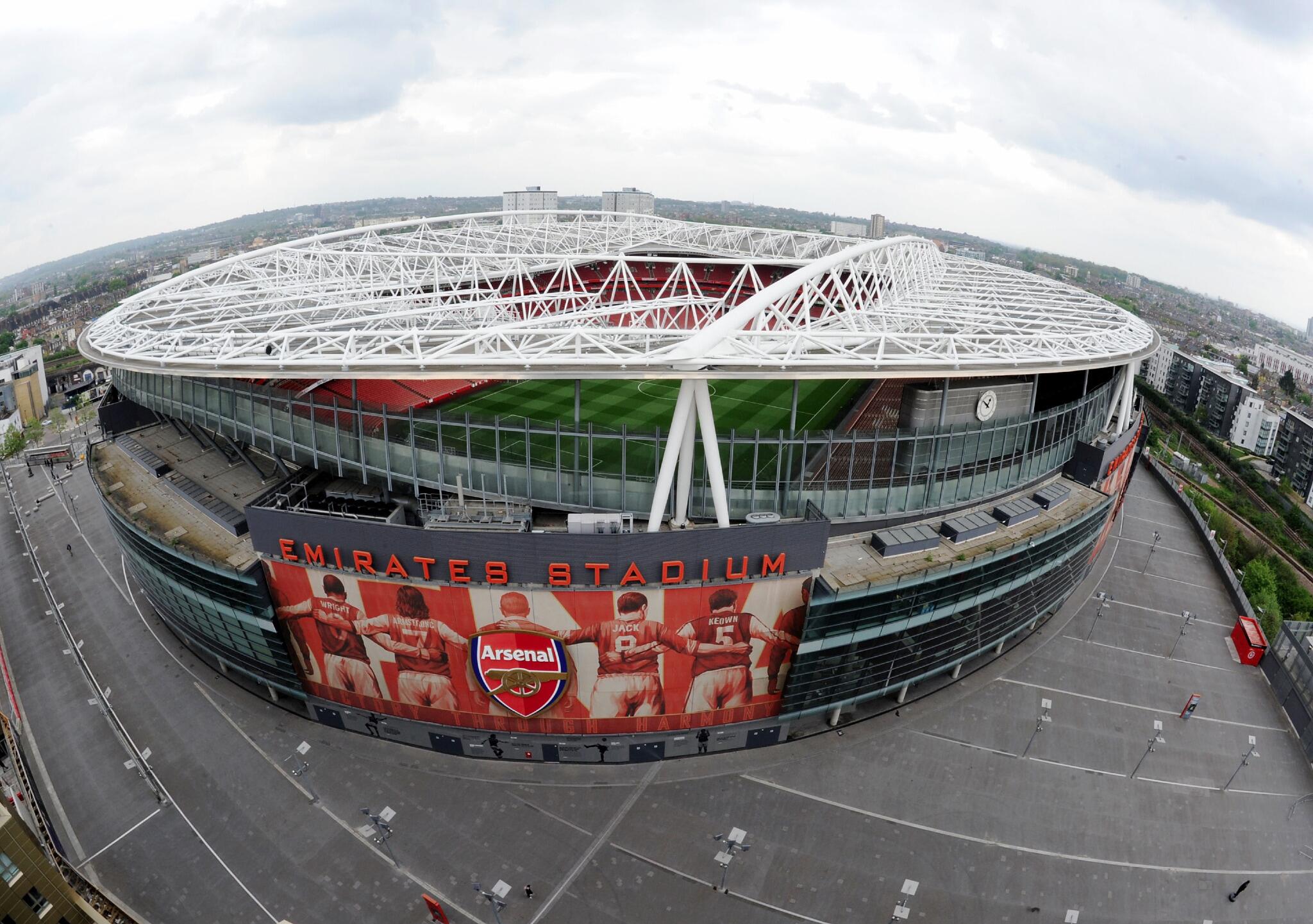
The Emirates Stadium, located in the heart of North London, transcends its role as a mere football venue, serving as a symbol of sporting excellence and community spirit. Home to Arsenal Football Club since 2006, the Emirates has become an integral part of the local landscape, embodying the passion and dedication of football fans across the city.
Designed by renowned architectural firm HOK Sport (now Populous), the Emirates Stadium represents a fusion of modernity and tradition, blending cutting-edge design with elements of Arsenal’s storied history. With a seating capacity of over 60,000, the stadium provides a vibrant and electric atmosphere on matchdays, drawing fans from all corners of the globe to witness the beautiful game in action. (more…)
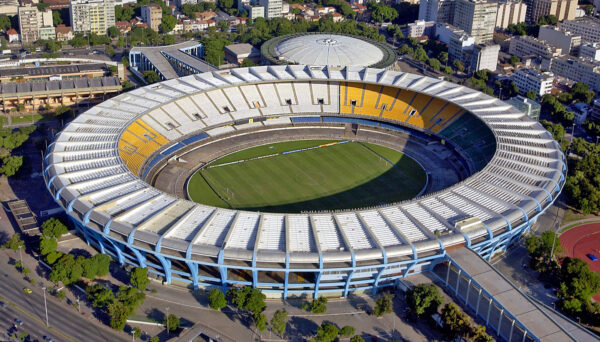
The Maracanã Stadium stands as a symbol of Brazil’s rich footballing heritage, captivating fans with its storied history and iconic status. Located in Rio de Janeiro, this legendary venue has witnessed some of the greatest moments in football history and continues to inspire generations of players and supporters alike.
Built for the 1950 FIFA World Cup, the Maracanã Stadium quickly became synonymous with football excellence, hosting the final match of the tournament, famously known as the “Maracanazo.” The stadium’s immense capacity, initially accommodating over 200,000 spectators, underscored Brazil’s passion for the beautiful game and solidified its reputation as one of the world’s premier football venues. Since then, the Maracanã has been the stage for countless historic matches, including Pele’s 1,000th career goal and Brazil’s triumphs in the Copa America and FIFA Confederations Cup. (more…)
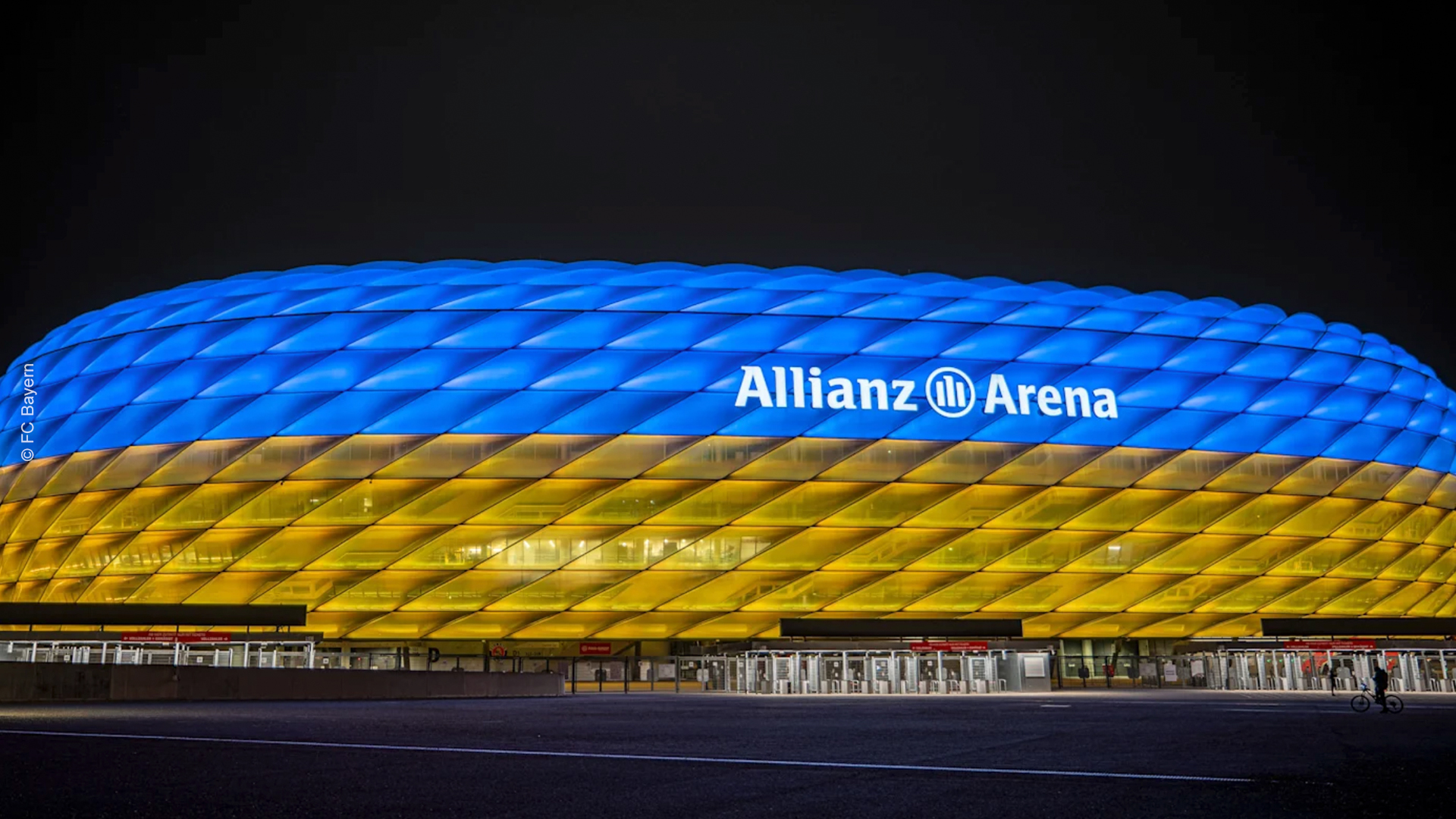
The Allianz Arena stands as a testament to architectural brilliance, captivating spectators with its stunning design and innovative features. As a host venue for the UEFA European Championships, this iconic stadium offers a truly unforgettable experience for football fans from around the world.
Located in Munich, Germany, the Allianz Arena is renowned for its distinctive facade, composed of inflated ETFE plastic panels that can change color, transforming the stadium into a mesmerizing spectacle. Designed by Swiss architecture firm Herzog & de Meuron, in collaboration with ArupSport, the stadium’s unique exterior symbolizes dynamism and innovation, reflecting Germany’s status as a leader in engineering and design. (more…)
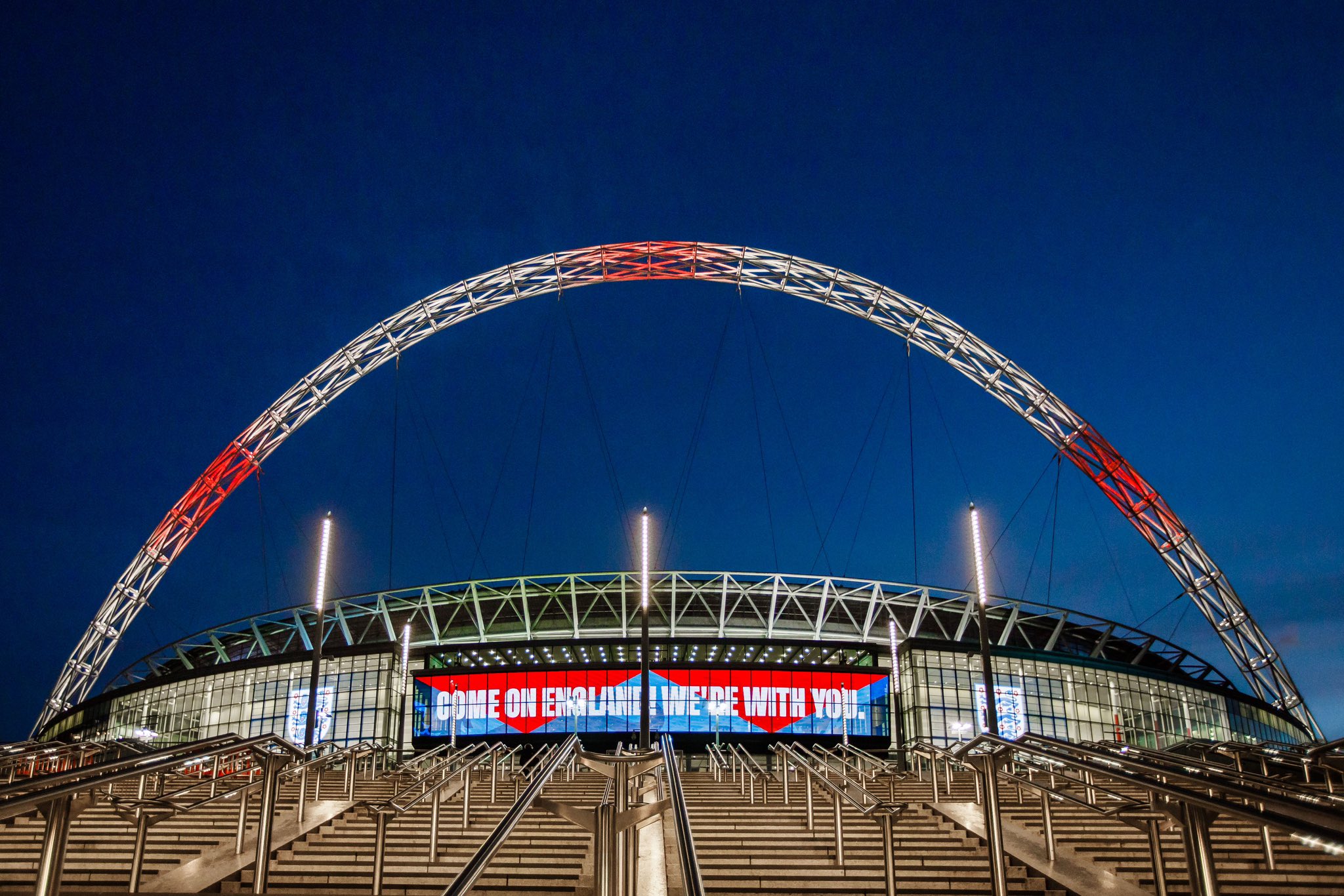
Wembley Stadium, one of football’s most iconic venues, has undergone a remarkable transformation, emerging as a symbol of modernity and excellence in the sporting world. With its state-of-the-art facilities and rich history, the new Wembley stands as a testament to the enduring legacy of the beautiful game.
Located in London, England, Wembley Stadium has long been synonymous with footballing greatness. Since its inception in 1923, the stadium has played host to countless historic matches, including FA Cup finals, England internationals, and UEFA Champions League finals. Its iconic twin towers and hallowed turf have witnessed the triumphs and tribulations of generations of footballers, earning it a revered status among fans worldwide. (more…)
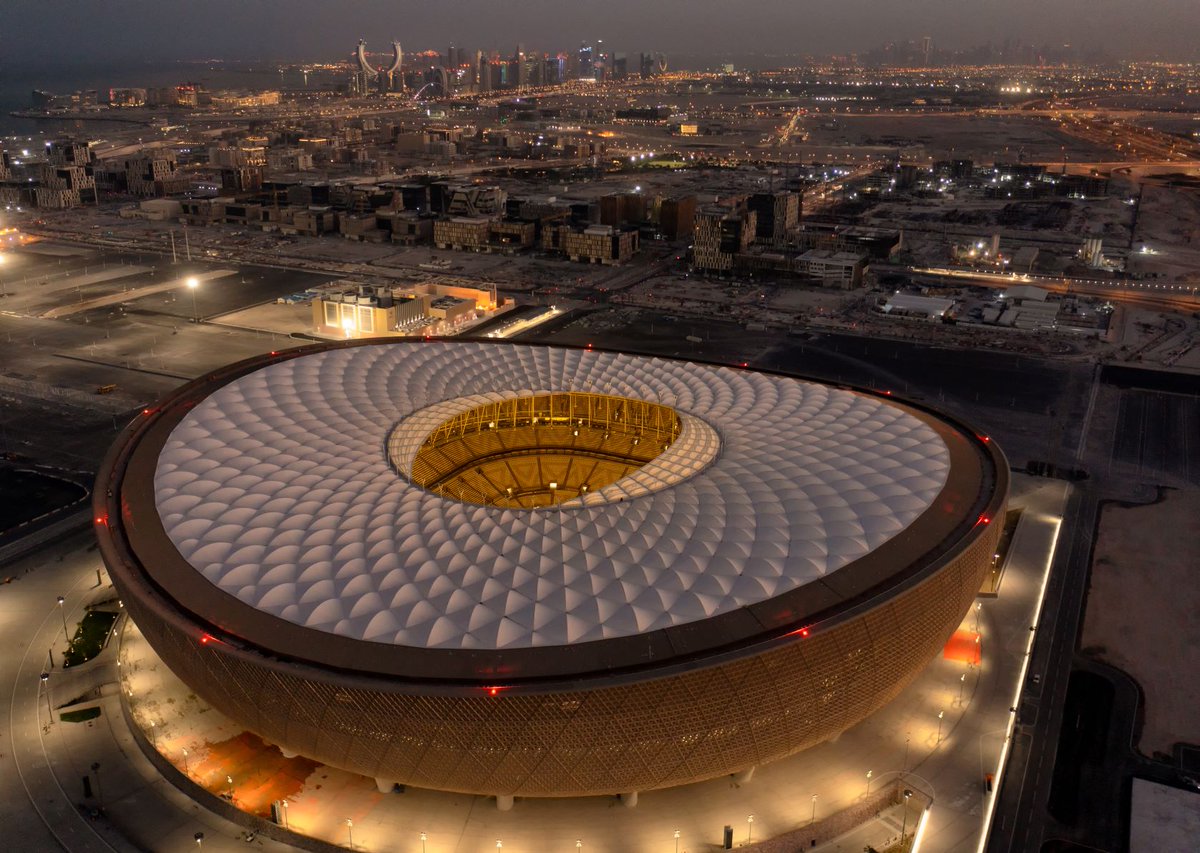
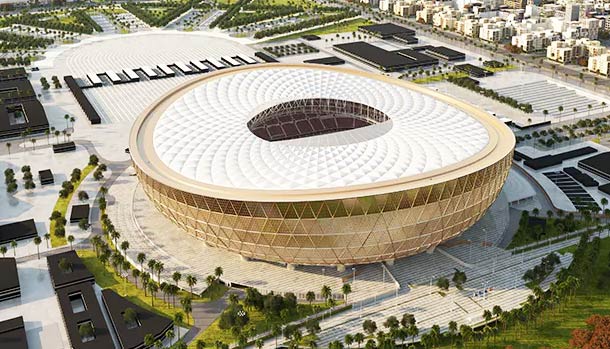
Qatar’s Lusail Stadium stands as a testament to innovation and ambition, set to make history as the centerpiece of the 2022 FIFA World Cup. Designed to captivate the world, this architectural marvel embodies Qatar’s vision of hosting a truly memorable tournament.
Situated in the city of Lusail, just north of Doha, the Lusail Stadium represents the pinnacle of modern stadium design and sustainability. With a capacity of 80,000 spectators, it will be the largest stadium during the World Cup, hosting the opening match, the final, and numerous other key fixtures. The stadium’s striking silhouette, inspired by the traditional dhow boats of the region, reflects Qatar’s rich maritime heritage while embracing a futuristic aesthetic. Its distinctive appearance, characterized by undulating curves and illuminated arches, will undoubtedly leave a lasting impression on spectators and viewers worldwide. (more…)
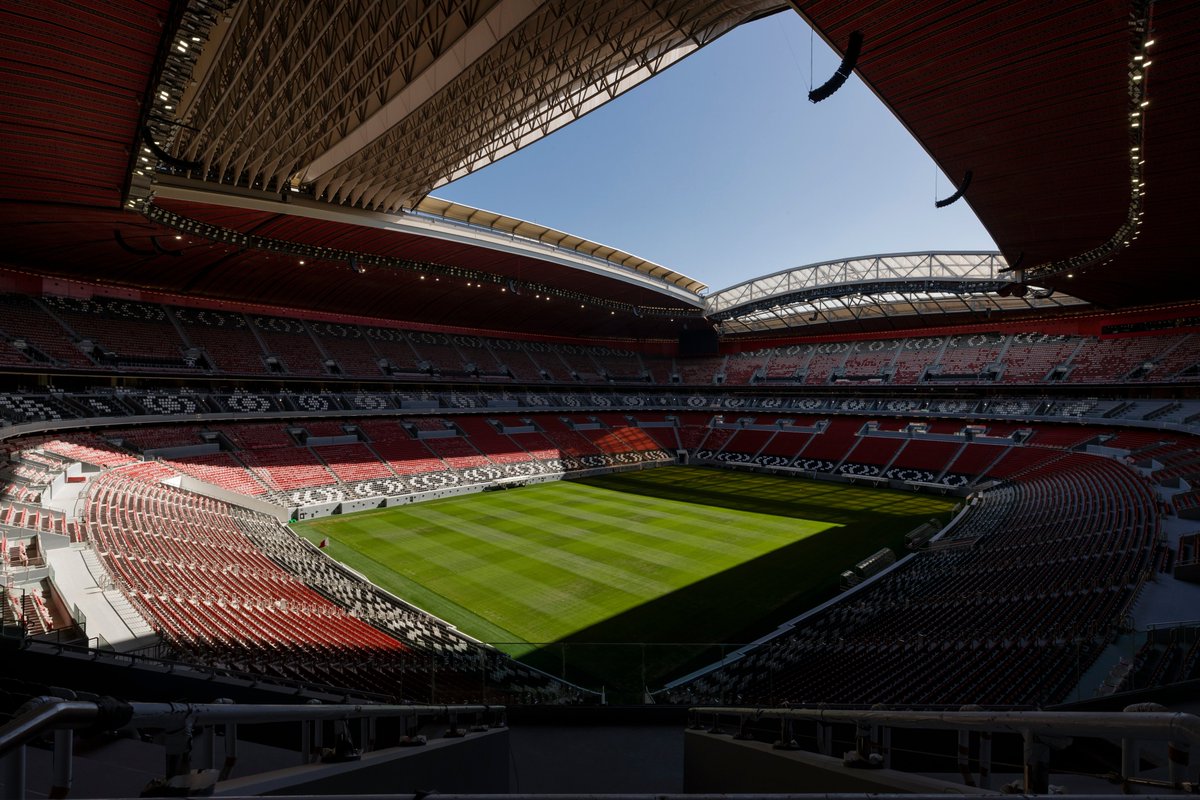
Prepare to embark on a remarkable journey through Qatar’s enchanting realm of football, where the fervor for the beautiful game converges with architectural splendor. The 2022 FIFA World Cup catapulted the nation onto the global stage, captivating the world with eight extraordinary stadiums that seamlessly intertwined with the country’s rich cultural tapestry.
At the forefront of this breathtaking ensemble stands the Lusail Iconic Stadium, an imposing colossus nestled in the heart of Lusail, boasting an awe-inspiring capacity of 80,000 passionate spectators. It was within these hallowed grounds, amid the thunderous roars, that the final act of football’s grandest spectacle unfolded, marking the pinnacle of a mesmerizing tournament.
(more…)
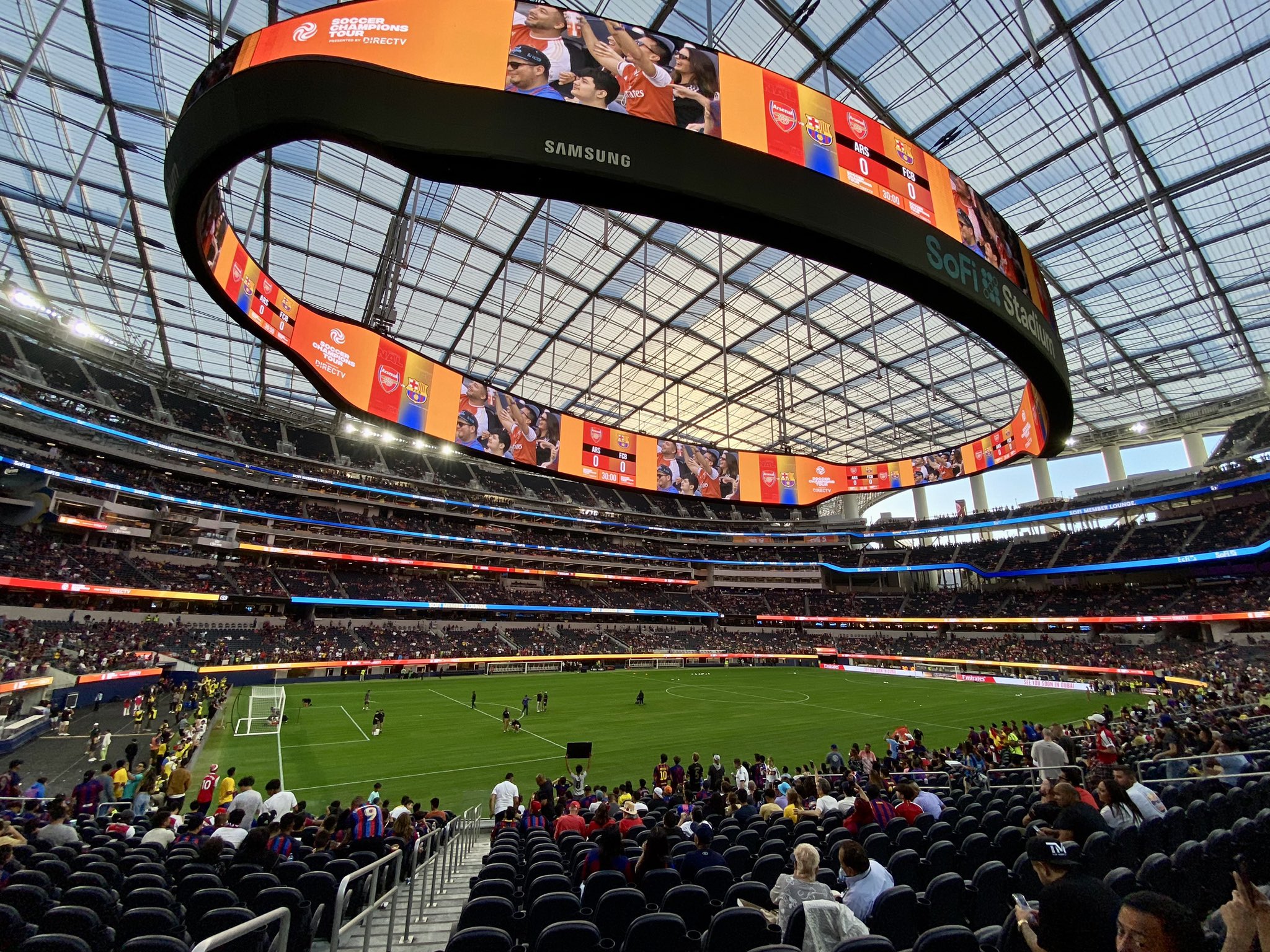
Across the globe, modern football stadiums stand as symbols of architectural innovation and cultural significance. These coliseums of the 21st century not only host the beautiful game but also serve as landmarks of the cities they call home.
The evolution of football stadiums over the years mirrors the advancement of technology and changing tastes of society. Gone are the days of mere functional spaces encircled by terraces. Today, stadiums are marvels of engineering and design, integrating state-of-the-art facilities with awe-inspiring aesthetics. They are not just venues for sports events; they are multifunctional complexes that offer a holistic experience to visitors, from shopping and dining to entertainment and leisure activities. (more…)
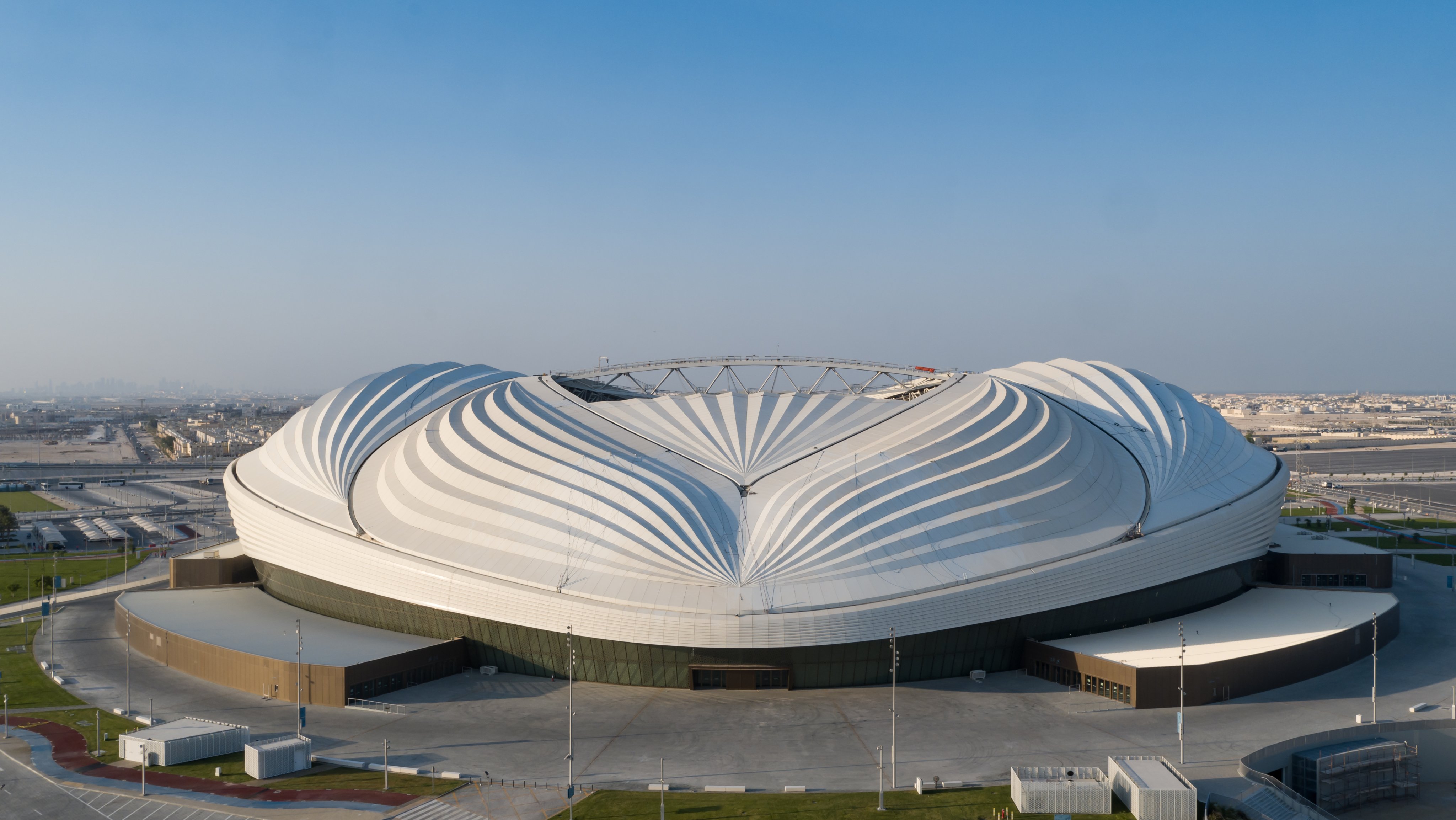
The city’s iconic player posters, which once illuminated its skyscrapers, are all gone. The country has resumed its pre-tournament appearance, as have the ticketing booths, Hayya Service Centres, and other tournament assistance points. Moreover, the eight World Cup competition arenas must be fulfilled now. Each stadium has a distinctive design, making them masterpieces of architecture. They have cutting-edge facilities to enhance the fan experience and leave lasting impressions on the games they host.
After the World Cup, there will be less demand for these arenas due to Qatar’s small size. What will become of the stadiums now that they have become worldwide icons? In 2010, the Supreme Committee set out to create a long-lasting legacy following the World Cup. As a result, each of the eight stadiums will be utilized in some way. Before the World Cup bid was won, the Khalifa International Stadium was built, where Japan famously beat Spain to make the round of 16. (more…)

The men’s soccer world championship ended with one of the most thrilling finals in its 92-year history. It was a night of heart-stopping drama, and then some, ultimately ending with Argentina as the world champions. For Qatar, a gas-rich gulf nation with big ambitions and little in the way of a soccer tradition, it was a star-studded coming-out party and one that marked its entrance on the world stage by showing off its political and sporting event prowess.
Qatar spent some $220 billion over 12 years getting ready to host the championships. It built seven of the most expensive stadiums for use during the event and spent an additional $6.5 billion on infrastructure improvements throughout Doha, Qatar’s capital city. Qatar, which has never hosted the World Cup before, has a surplus of expensive stadiums on its hands. (more…)
The World Cup 2022 has completed in spectacular fashion and the world will be moving onto the next edition of the World Cup. However, this switchover does not happen silently and the effects of the World Cup 2022 is likely to be felt for several decades to come. This is due to the massive $ 222 billion spent by Qatar for the last 12 years in order to get the country in a position to host the World Cup. A significant some of the budget has gone into building World Cup stadiums. The country was able to create seven very advanced stadiums at a cost of $6.5 billion. Qatar is not a prominent country with football action and this has led to the feasibility of the stadiums now that the World Cup is over.
Due to the problem of empty stadiums cropping up after the likes of the South Africa World Cup, Qatar has tried to reduce the impact of the World Cup tournaments. Stadium 974 is one such when you which was created with sustainability in mind, as it was completely out of shipping containers. Now, the completion of the World Cup means that it will be torn down and put to other users. However, there is no immediate urgency considering that Qatar will be holding a string of major tournaments like the Asian Football Cup 2023, Asian Games 2030, and Olympic Games 2036 amongst others. (more…)